Mannar sits outside most travellers’ routes. For birdwatchers, however, it is a very different story. Towards the latter end of the year, migratory birds begin arriving along the Central Asian Flyway. Waders, ducks and gulls galore, although it is often the arrival of the Greater Flamingos that gets most of the attention.
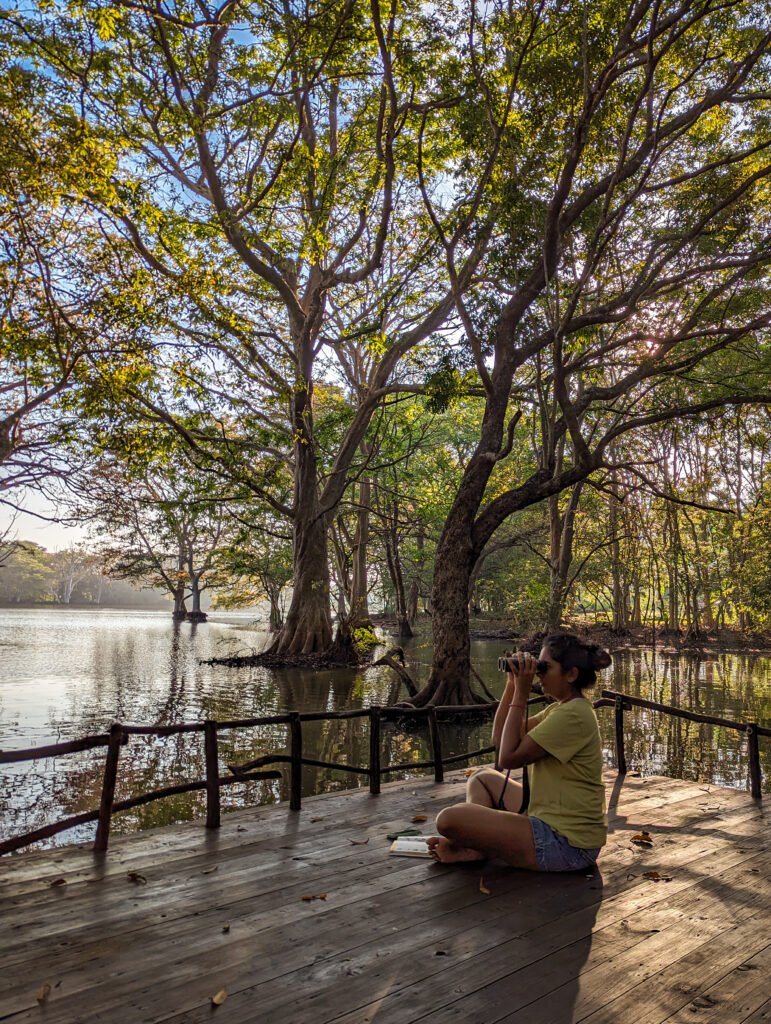
I was there in April, at the tail end of the migratory bird season, in search of birds. I had been finding my way back to a hobby that work, and everything that comes with it, had pushed aside for a while.
April in Mannar is not easy. The heat builds quickly, and by midday it becomes difficult to stay out. Between 11 and 3, the only sensible thing to do is step away, slow down and wait it out. Enjoy a Palmyrah drink. Take a nap. Read a book.
I went for the birds, but what stayed with me was something else.
The horses of Mannar have always been part of the landscape, often scattered along the main roads during my many visits here. This time, the roads were empty. On the morning of 2nd April, just before 10, they had gathered at the nearest watering holes, standing in the water for hours. Most had edged in just enough to cool off, heads low and still, as if even movement in that heat had to be rationed. It felt like the entire place had quietly adjusted itself to the day.
The tail end of the migratory season meant fewer migrants than I would have found a few months earlier. That was expected. Those that remain this late in the season can be at their best, some already in breeding plumage, preparing for the long journey north.
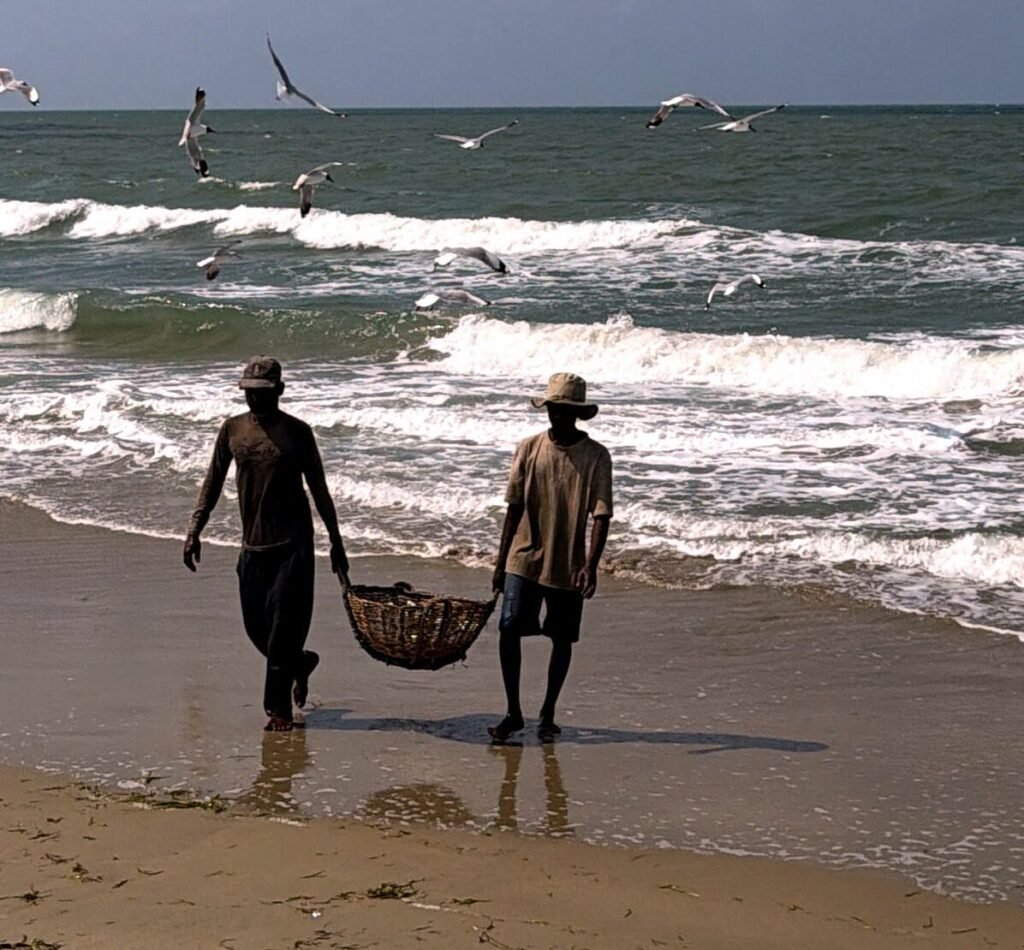
A walk to the nearby shore revealed flocks of gulls fighting over leftovers from a fishing net that had just been brought ashore. It reminded me of something I had come across during my Master’s research: the way fishers pay attention to birds and their movements as part of reading changes around them.
The following evening, Mannar had something else waiting. Between 5.45 and 6.10, as the light began to drop, the sky shifted. Thick black clouds appeared in the distance. Except these clouds moved together. They turned, folded and unfolded before I could quite follow the change.
Rosy Starlings. Thousands of them.
The sound carried just as much as the movement, sharper in the stillness as the last light faded. Mannar is known for many things, but I had never associated it with murmurations. In all my years of birdwatching around this island, this was the first time I had stumbled upon one.
This little island of mine has a way of rewarding its visitors. This was my reward.
I spent as long as I could watching the murmuration form as more flocks joined the original group. It was a gift that kept giving, until every tree within what felt like a 500-metre radius was covered in more Rosy Starlings than leaves.
I had never witnessed so many birds in one tree. Cloud upon cloud they descended, until the last rays of the setting sun made it impossible to distinguish birds from the darkening sky.
Birds have always been part of my travels. But birdwatching in Mannar that April reminded me why. I barely saw any flamingos on this trip. Just six loners. A far cry from the numbers Mannar is known for during the season. I didn’t mind.
I had come to Mannar expecting one thing and left with something entirely different: horses standing silently in water to escape the heat, gulls descending on the day’s catch, and thousands of Rosy Starlings turning the evening sky black.
That, for me, is the joy of travelling without a checklist. To go in search of one thing and be overwhelmingly content with what you find instead.
The Curious Experience was built around travelling this way. Being curious enough to let a place surprise you.
Perhaps that is what slow travel is really about. Not seeing everything you came for, but having enough time and curiosity to notice what you didn’t.