
Before I get to slow travel, some context.
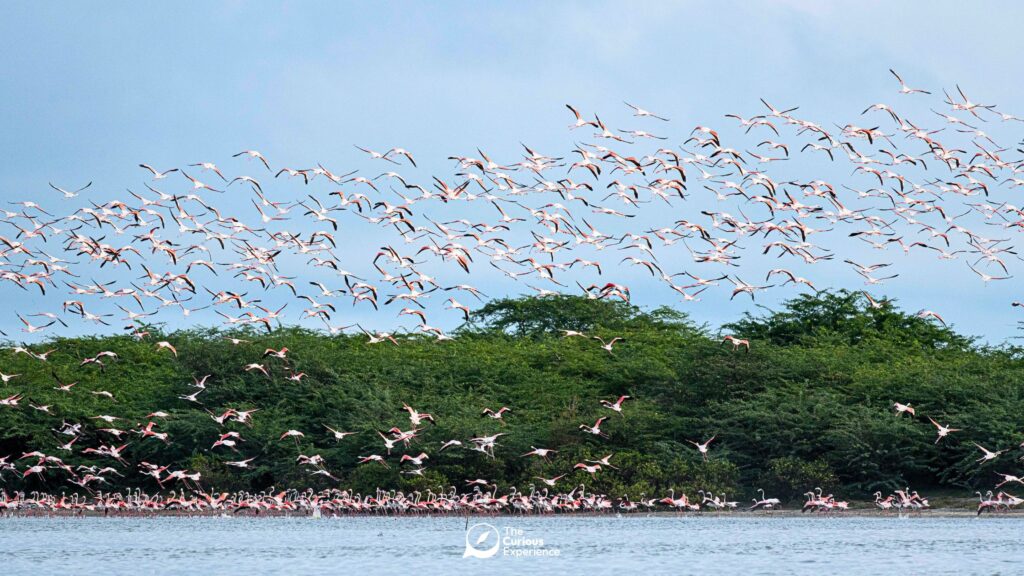
I am a traveller. I have been one for as long as I can remember. I was privileged to grow up with parents who introduced me to travelling and birding before I even knew what cartoons were. I spotted an elephant before I could name animated characters. I learnt birds before most children learnt hobbies.
Travel came naturally to me, and I learnt it the way my parents practised it.
I did not know it then, but this way of travelling was quietly resisting something else. A world that was beginning to move faster, see more, and understand less.
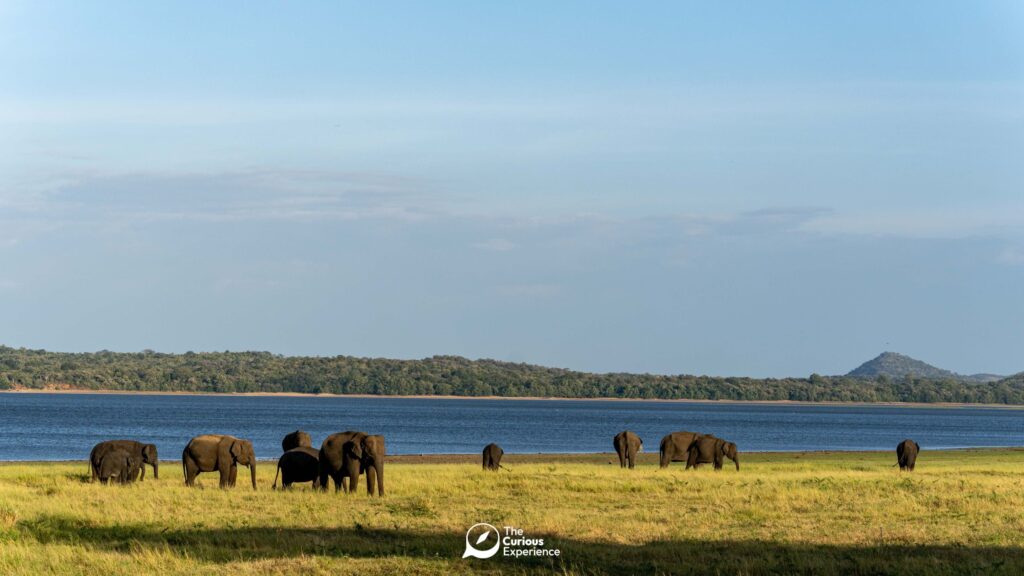
We took the longest breaks we could. We stayed in one place and explored everything around us. The nearby tank, village shops, lanes and by-lanes, fields, and places that never made it into guidebooks. Each day involved conversations with locals over a hot cup of tea. Every passing mention of a place was noted down, often wrapped in a folktale or a half-remembered story.
We began with what was known, then asked questions. Slowly, a plan emerged around the places people spoke about casually. We figured out access. Did a road exist? Did we need someone to guide us? Google Maps did not exist then and, to be honest, it still does not help much in rural Sri Lanka today. “The internet is unreliable,” my father would say, unfolding a Survey Department map almost as tall as his six-foot frame. Not much has changed.
My mother meticulously noted routes, packed meals, and gathered information from the local travel books she collected. My parents sought out people who knew how to reach places only they remembered existed on this island.
We followed local customs before entering forests that revealed forgotten archaeological sites. We took dirt roads that led to unexpected views. We spotted birds outside their known habitats and landscapes many did not realise existed. All of this happened within a 40-kilometre radius of where we stayed. Every day, we returned to the same base. That was how travel was ingrained in me.
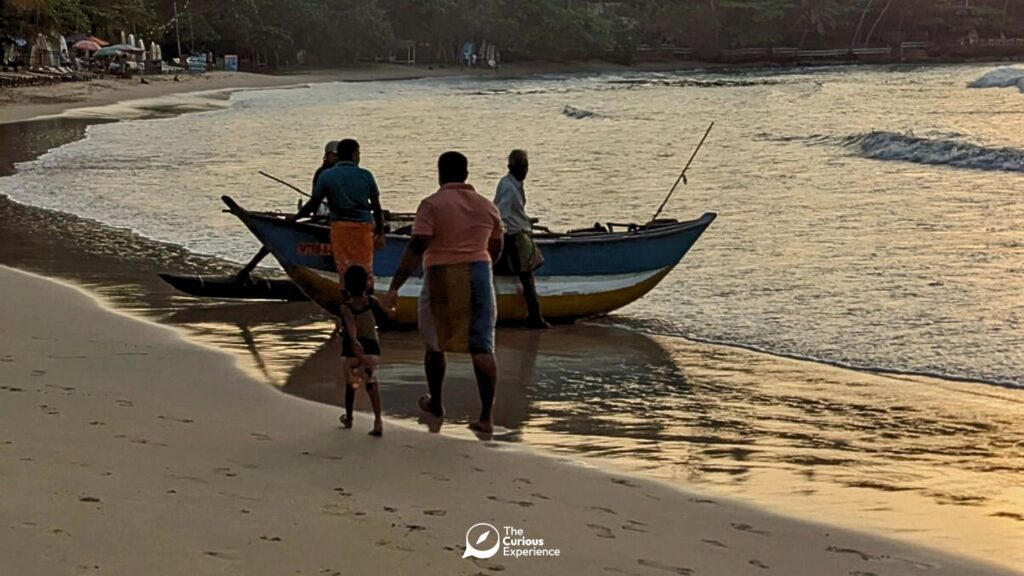
Years later, I realised I still travel the same way. I stay longer than planned, longer than most. I ask more questions than directions. I measure a place not by how much I cover, but by how familiar it begins to feel.
Years later, I also learnt that this way of travelling had a name. I simply did not know there was a name for it.
Not everyone travels this way. Most people follow lists of key attractions. They stop briefly, take photographs, and move on to the next destination, often many kilometres away. One or two nights at most, dictated by accommodation availability and proximity to places to tick off.
Slow travel, I realised, was what my parents had practised all along.
Slow travel is not about doing less for the sake of it. It is about staying long enough to notice. It is about letting a place reveal itself through people, routines, landscapes, and everyday life. It is about travel that prioritises understanding over movement, presence over pace.
In Sri Lanka, slow travel matters. This island holds layers of history, ecosystems, and communities that cannot be understood through rushed itineraries or surface-level visits. travel here requires time, listening, and respect for local ways of life.
In 2024, I co-founded a company built around this philosophy.
The Curious Experience exists to craft meaningful travel experiences in Sri Lanka rooted in curiosity, connection, and everyday life. It is the same kind of travel my parents gave me. Travel that stays. Travel that listens. Travel that values depth over distance.
So, how do you travel when you give a place time to speak back?
