Best time to visit Sri Lanka
I never really had the habit of checking the weather before travelling within Sri Lanka. I usually just go with the flow and see what the island has in store for me.
But I completely understand why travellers planning an overseas trip think differently. I do the exact same thing when researching a new country, spending months understanding seasonality, regions, experiences, food, logistics and budgets before deciding when to go.
So yes, I understand why some of the most common questions travellers ask are:
“Which part of Sri Lanka should I visit during this month?”
or
“Is it safe to travel to Sri Lanka during the monsoon?”
Sri Lanka is a small tropical island, but what makes it unique is this:
When it rains in one part of the country, another part is usually sunny and dry.
That is exactly why Sri Lanka is truly a year-round destination.
Like many tropical countries, we do not experience four traditional seasons. Instead, life here revolves around the monsoons. Farming, fishing, wildlife movements and even tourist flows are shaped by rainfall.
Most blogs explaining Sri Lanka’s weather usually stop here:
- South-west Monsoon (May to September) hit the eastern coast!
- Inter-monsoon Period (October to November) the rainiest period at country level.
- North-east Monsoon (December to February) best time for the southern beaches!
- Inter-monsoon Period (March to April) the in-between season.
And technically, they are not wrong.
When to visit Sri Lanka
December – March
Most travellers head Down South during this period. It overlaps perfectly with the European winter holiday season, and naturally Sri Lanka’s southern coastline became the most popular beach stretch in the country.
July – September
Attention shifts towards the East Coast, especially among surfers and travellers escaping summer elsewhere.
Over time, heavy tourist footfall during these months and quieter periods in between slowly created the perception that Sri Lanka itself is seasonal.
But if you enjoy travelling slowly, making friends wherever you go and observing how locals actually live rather than rushing between crowded attractions, then I would advise you not to take Sri Lanka’s weather forecasts too seriously.
Does the Monsoon Really Ruin Your Trip?
After all, this is the tropics.
Even during the monsoon, it rarely rains the entire day for an entire week straight.
To prove this point, I looked back at my own travels across Sri Lanka during the past 12 months and compared them against the “ideal” travel calendar.
Technically, I should have cancelled half of these trips. But Sri Lanka had other plans.
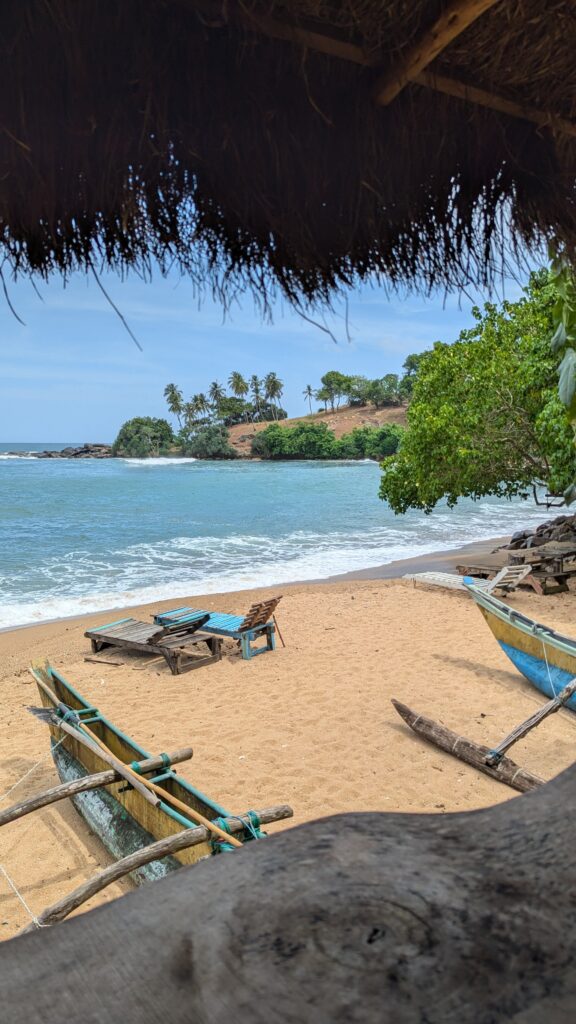
May ’25 – Tangalle
Off-season in the South
This was taken at a relatively lesser-known beach called Unakuruwa near Tangalle. Quiet shores, barely any crowds and unexpectedly, a beautiful surf break too.
For a place many travellers avoid during this time of year, it felt incredibly calm and alive.
June ’25 – Pelmadulla
Peak rains in the hill country?
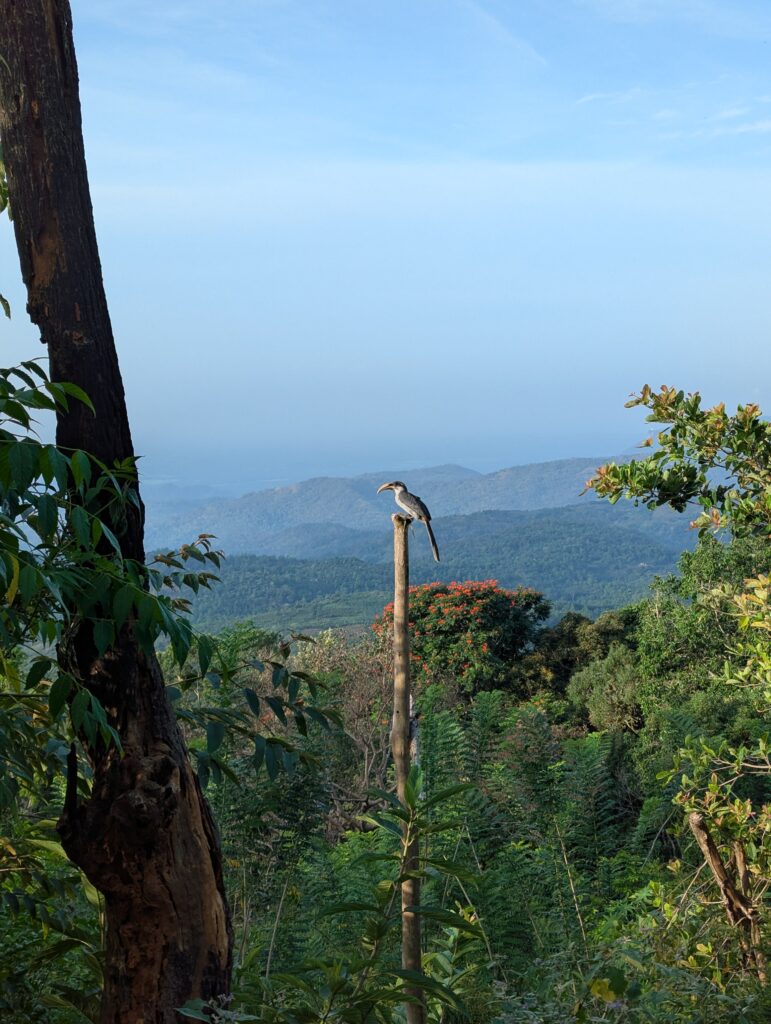
June to August is when Sri Lanka’s Central Highlands are expected to receive heavy rainfall.
Pelmadulla, close to Haputale, is a beautiful hill country region. I happened to be there for birding during peak rains and surprisingly, the weather never disrupted our sessions once.
If anything, the landscape felt richer because of it.
July ’25 – Gal Oya
One that actually aligns with the usual advice
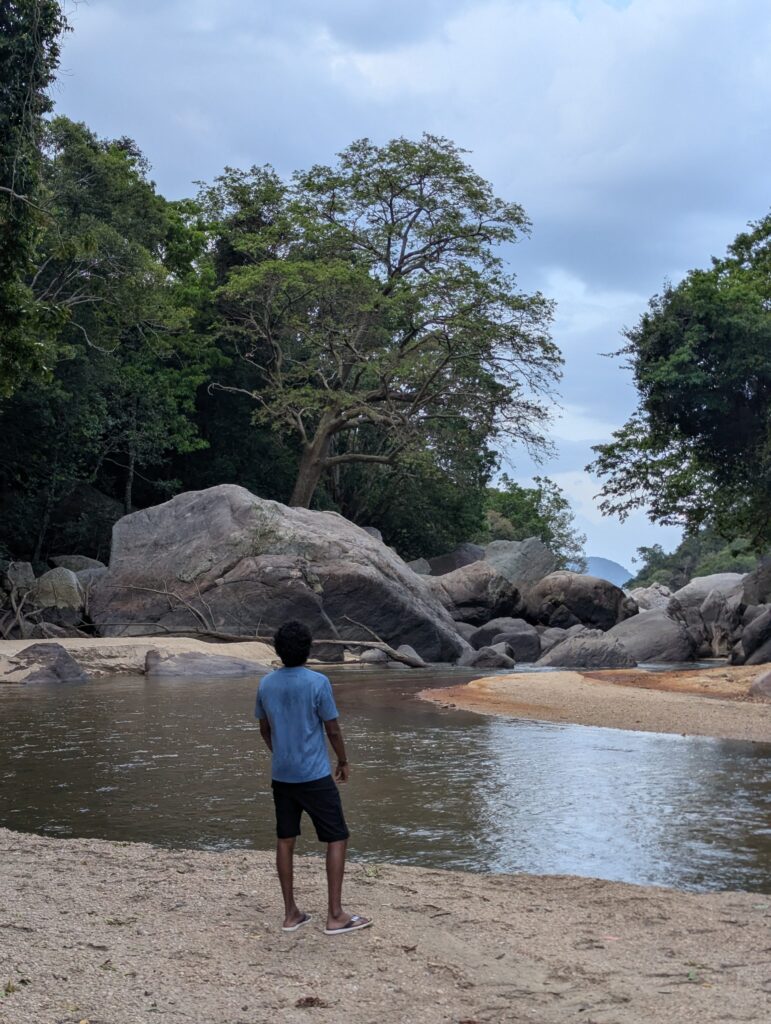
Located in Sri Lanka’s Eastern Province, July is genuinely one of the best times to visit Gal Oya National Park.
This particular spot is known as the Dragon’s Mouth, famous for the illusion created by the rocks that make the water appear to disappear into the earth.
August ’25 – Maduru Oya
Quiet landscapes beyond the usual routes
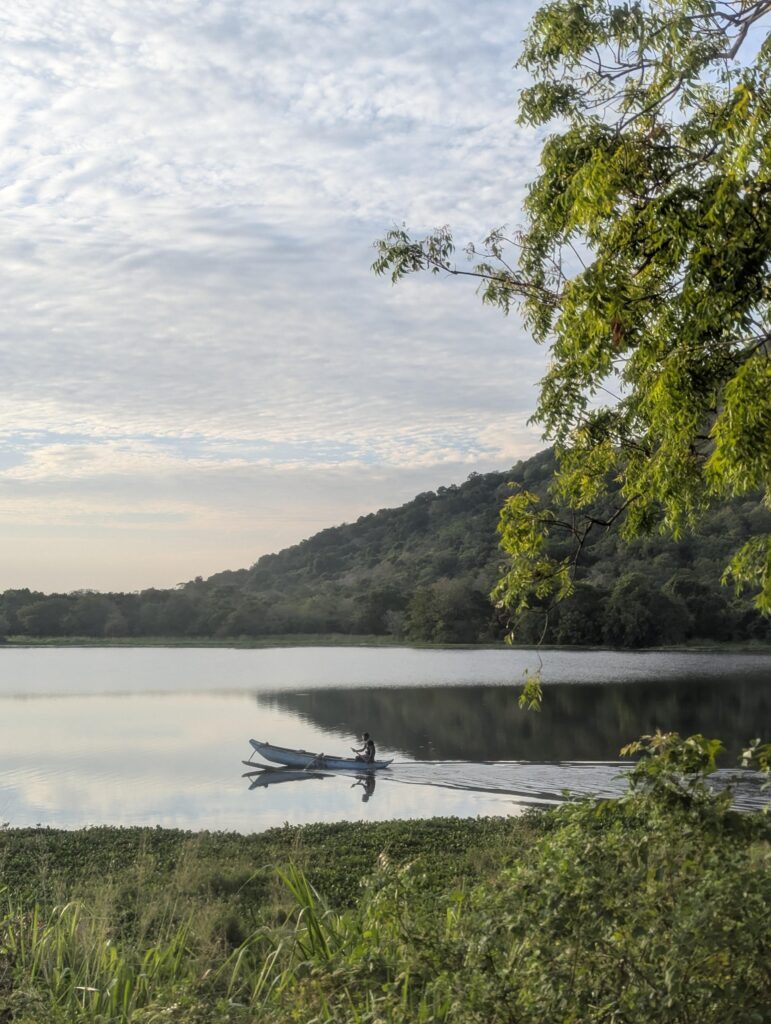
Just off Polonnaruwa lies one of the least visited national parks in Sri Lanka.
This photograph was taken near the Dimbulagala reservoir, a quiet and almost meditative landscape with barely another soul around.
September ’25 – Sinharaja
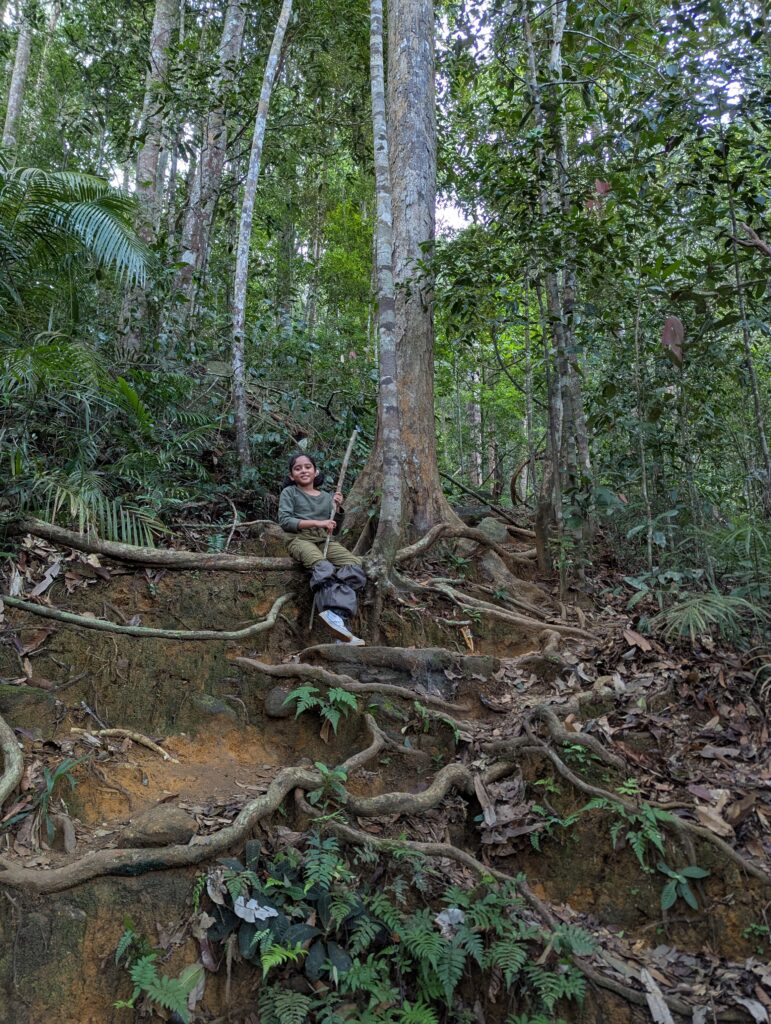
When you are inside a rainforest, does weather really matter?
People usually say January to March is relatively drier. But I had no issues hiking in September, and this little one certainly did not complain either.
Rainforests are supposed to feel wet, alive and unpredictable. That is part of their magic.
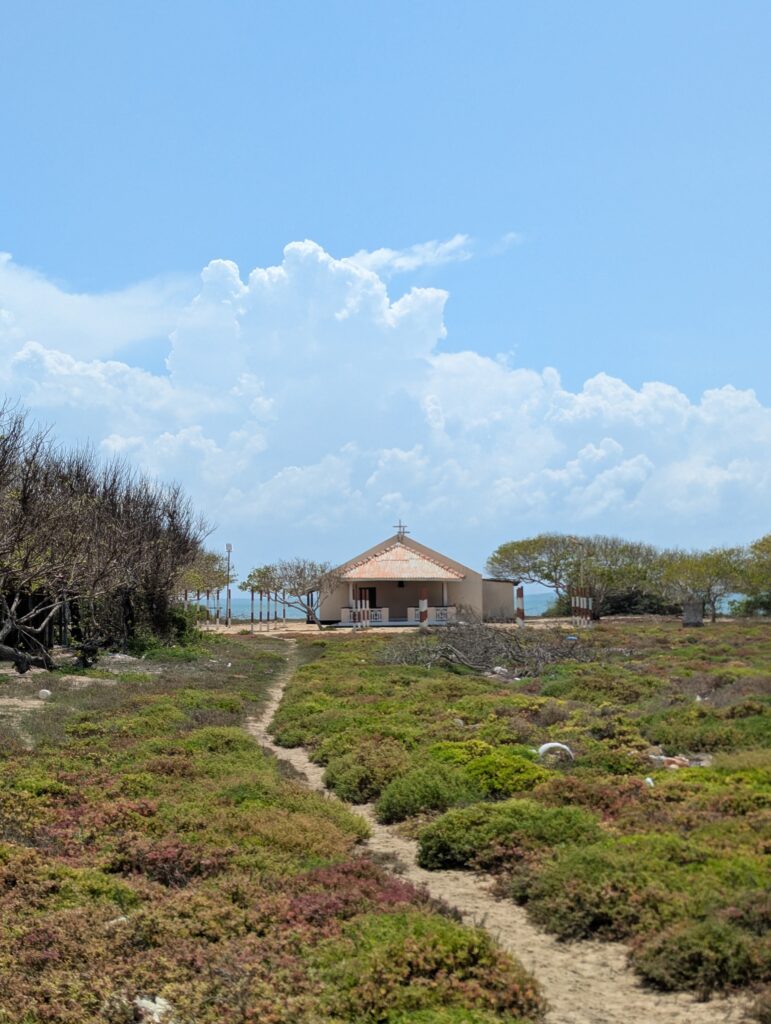
October ’25 – Kalpitiya
Sometimes imperfect weather creates the perfect story
Island hopping during the inter-monsoonal period is considered risky by many. But this trip to Bathalangunduwa Island near Kalpitiya became one of my favourite memories of the year.
Yes, it rained on and off. But that only made the boat ride more dramatic, the skies moodier and the experience more memorable.
November ’25 – Dedugala
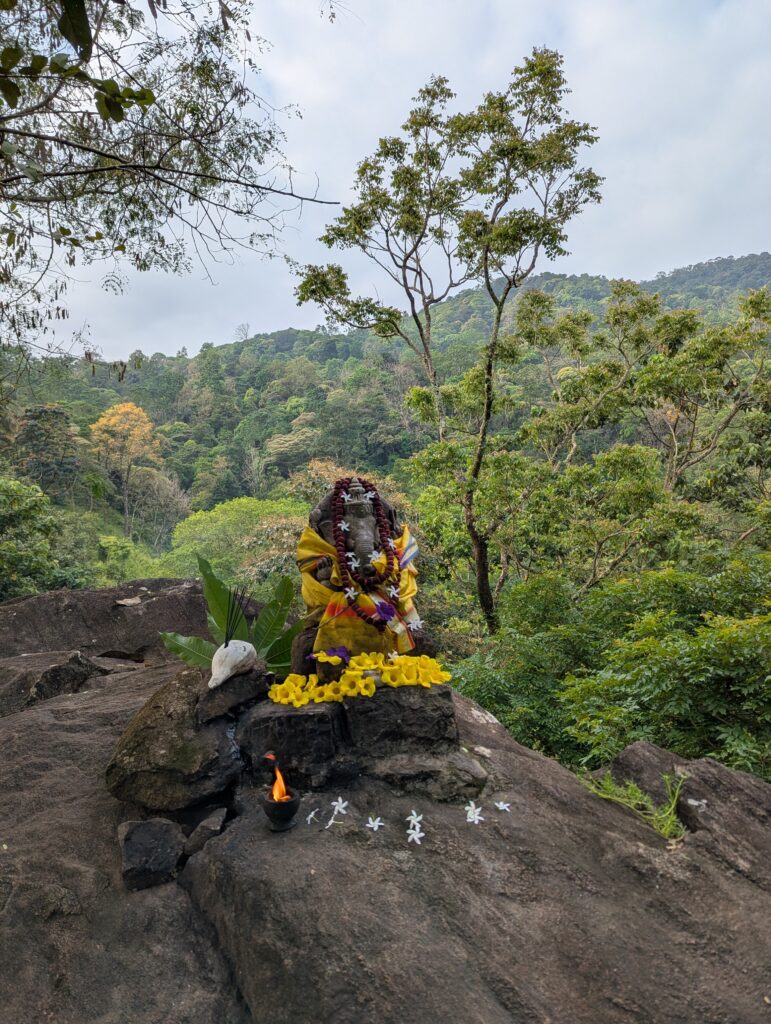
The wet zone is not always what forecasts suggest
If you draw a straight line between Colombo and Kandy and mark the middle point, you’ll roughly find Dedugala.
Being part of Sri Lanka’s wet zone, November is not exactly considered “ideal”. Yet during our glamping experience, the rain appeared only briefly each day before disappearing again into the forests.
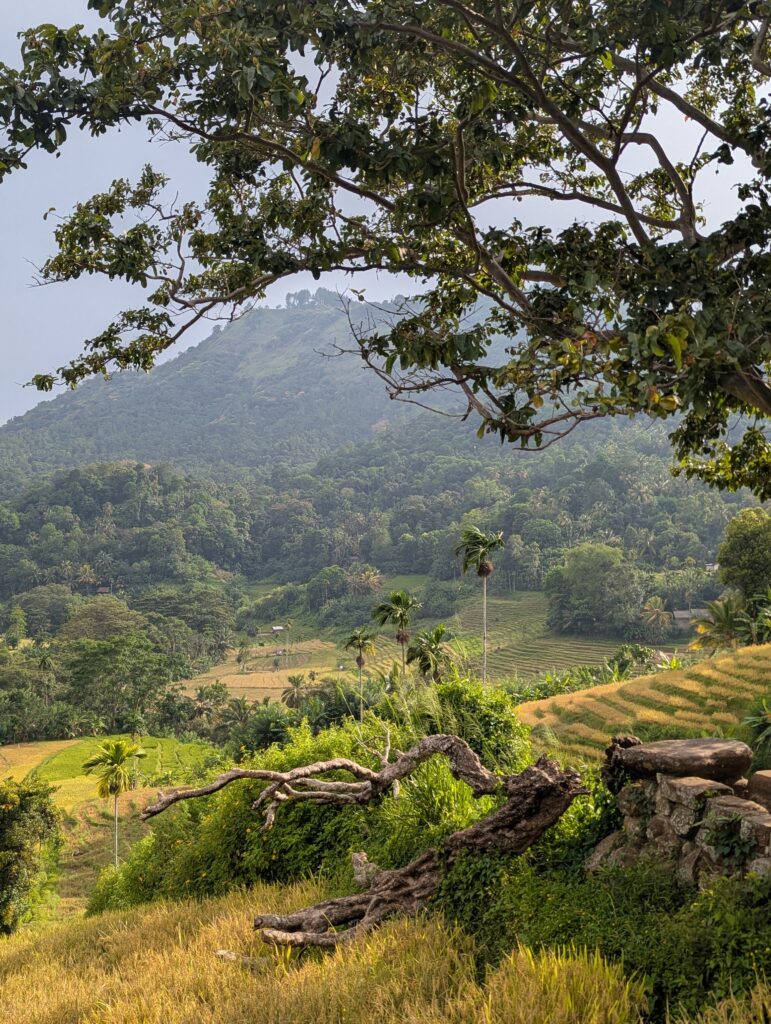
December ’25 – Idalgasinna
Climate patterns are changing
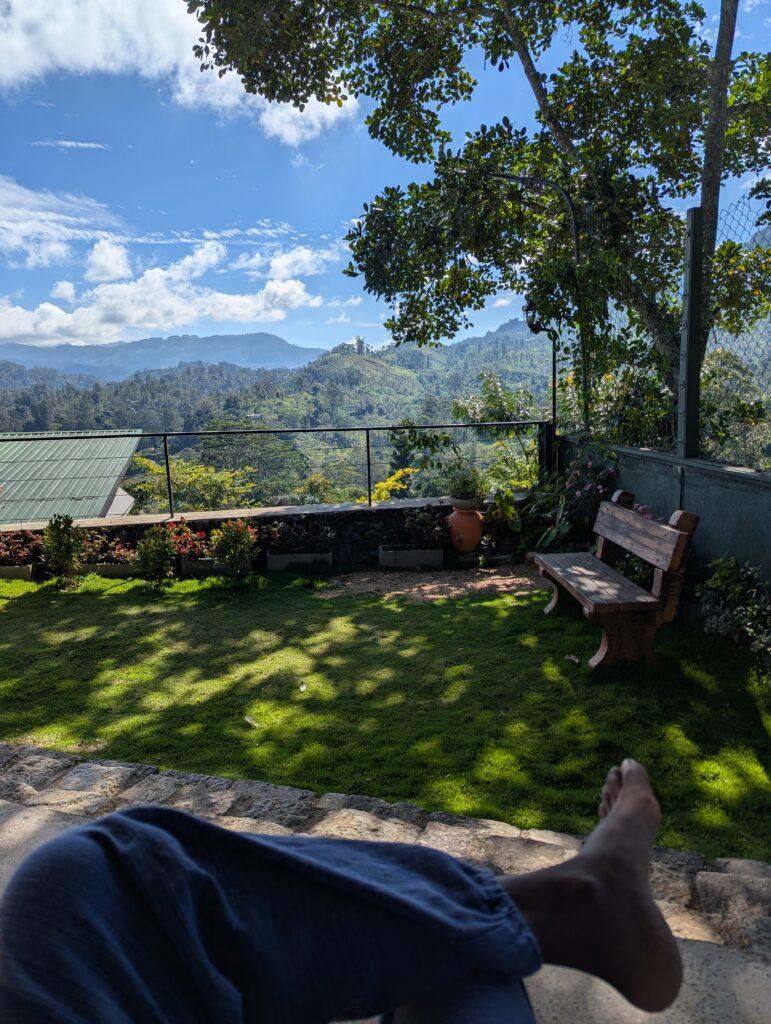
Remember Cyclone Ditwah in late November?
It arrived during what is usually considered one of the best seasons to visit Sri Lanka’s hill country. This photograph was taken from one of our favourite boutiques Idal Villa just ten days later during an inspection visit before our travellers arrived.
Clear skies. Crisp mountain air. Beautiful visibility. Everyone was surprised, but that is the reality now.
Climate change is real, and historic weather patterns alone are no longer reliable indicators.
January ’26 – Anuradhapura
Ancient cities under open skies
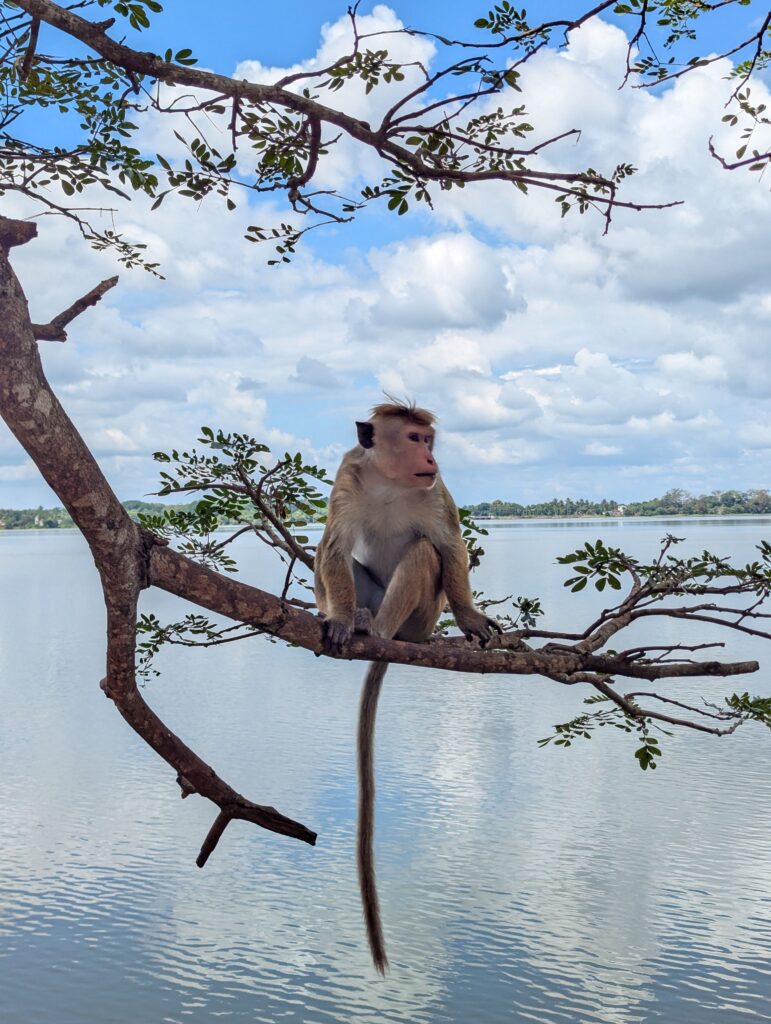
January is one of the best times to explore Sri Lanka’s Cultural Triangle.
There is a reason many Sri Lanka itineraries begin with ancient cities like Anuradhapura before ending along the southern coast. The dry weather makes long explorations far easier.
February ’26 – Kumana
Go when others are looking elsewhere
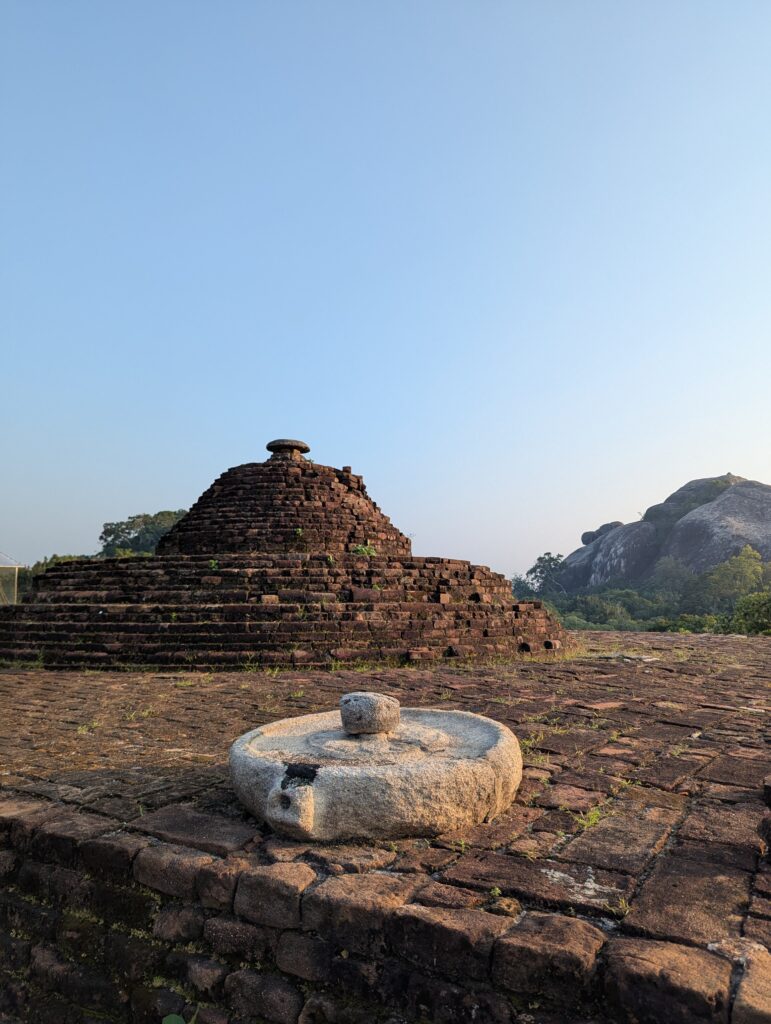
People often associate Sri Lanka’s East Coast only with beaches and surfing during July and August. But if you are interested in wildlife, archaeology or solitude, go when the rest are looking away.
This was taken atop Kudumbigala Monastery bordering Kumana National Park. We barely encountered tourists. And somehow, during this same trip, we saw six leopards in a single day.
What a lucky day.
March ’26 – Yala
Peace over sightings
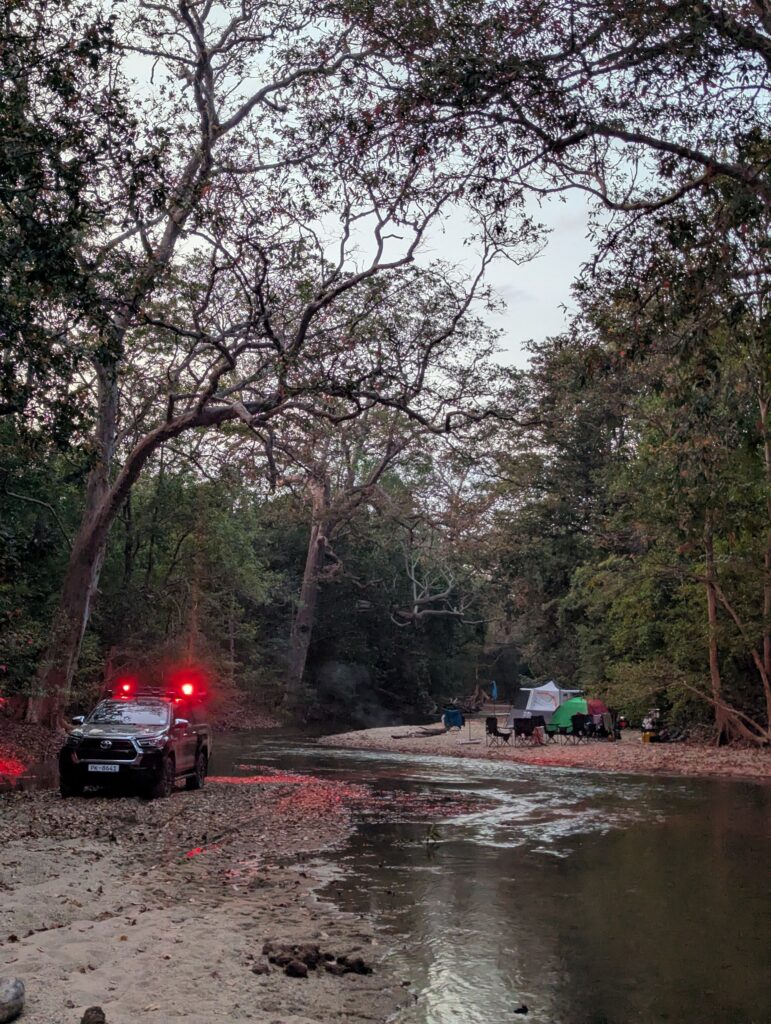
March offers excellent weather for Yala National Park. Unfortunately, everyone else knows that too.
So instead of following the crowded safari routes, I chose to camp in Block 5 with the amazing WilderFolks team where it felt like we had the wilderness entirely to ourselves.
No leopard sightings. Only pugmarks. And honestly, that was perfectly fine.
Peace over sightings.
April ’26 – Mannar
Heat, not rain
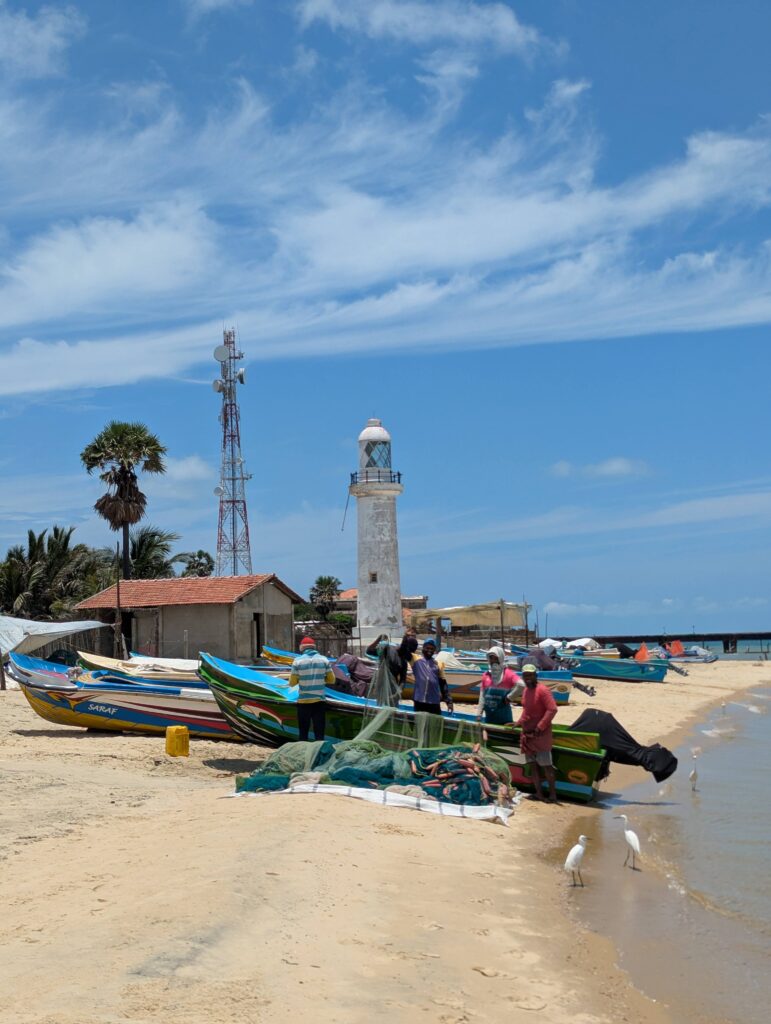
Mannar belongs to Sri Lanka’s arid zone, meaning rainfall is rarely the main concern here.
Heat is. This photograph was taken at a landing site in Talaimannar. Clear skies, scorching sun and fishermen going about their usual routines.
There it is.
Twelve months. Twelve different parts of the island. And if I had followed standard seasonal advice, I would probably have cancelled at least half of those trips.
Sri Lanka sits within the tropical belt. When it rains heavily in one part of the island, another part is typically dry. That is simply the geographic reality of a small island influenced by two distinct monsoon systems. What we now call the “tourist season” was not shaped purely by weather patterns. It was also shaped by holiday calendars, airline routes, surf culture and the beach crowds that followed.
For a slow traveller, someone who values conversations over checklists and quiet mornings over crowded attractions, the honest advice is this:
Pick a month. Understand roughly what the weather tends to do. And then go anyway.
That is how we think about travel at The Curious Experience.
Weather is one input, not the deciding factor. Some of the most meaningful experiences we have had in Sri Lanka happened in places people overlook and during months people are often told to avoid.
The island is open 365 days. The only question is where you want to begin. And if you are still unsure about the best time to visit Sri Lanka, where to travel during the monsoon, or which part of the island suits your interests during a particular month, simply reach out to us.
At The Curious Experience, we spend most of our time travelling across Sri Lanka ourselves, understanding destinations in different seasons, local conditions and how destinations actually feel beyond what weather apps and generic travel blogs suggest.
So the real question is what kind of traveller are you? Exploratory at heart? Willing to travel slow and give Sri Lanka a chance to unravel on its own?
Frequently Asked Questions
▶ Is Sri Lanka safe to visit during the monsoon?
Yes. Sri Lanka’s two monsoon systems affect different parts of the island at different times, which means when it rains on one coast, another region is typically dry and sunny. Even during the monsoon, it rarely rains all day continuously. With the right planning — choosing the region that is in its dry phase — travelling during the monsoon is not only safe but often more rewarding, with fewer crowds and greener landscapes.
▶ Which part of Sri Lanka is dry in October?
October falls in Sri Lanka’s inter-monsoon period, which can bring showers across the island. However, the North and North-West — including areas like Kalpitiya and Mannar — tend to be more sheltered during this time. The Cultural Triangle (Anuradhapura, Polonnaruwa) also remains reasonably accessible. Sri Lanka’s arid north zone experiences heat rather than heavy rain, making it a reliable choice even in transitional months.
▶ What is the best month to visit Sri Lanka for wildlife?
It depends on which park you are visiting. Yala National Park is at its best from February to July when water levels are lower and animals gather near waterholes. Gal Oya is excellent between June and September. Kumana, which is often overlooked, offers exceptional wildlife experiences in February — including the possibility of leopard sightings — with far fewer tourists than peak season parks. Sri Lanka has national parks spread across different climate zones, so there is always an excellent wildlife destination open regardless of the month.
▶ Does it rain every day in Sri Lanka during monsoon season?
No. Even during the monsoon, rainfall in Sri Lanka is typically short and intense rather than continuous. It is rare for it to rain all day, every day, for an entire week. Mornings are often clear, with showers arriving in the afternoon or evening before clearing again. Travellers who have visited Sri Lanka’s rainforests, hill country, and coastal areas during monsoon months often find the landscape more dramatic, lush, and atmospheric — not ruined — by the rain.
▶ Is Sri Lanka worth visiting in November?
Yes. November is Sri Lanka’s inter-monsoon period and sees the most widespread rainfall across the country. However, it is still very much worth visiting. The North — including Jaffna and Mannar — tends to be drier. The Hill Country and areas like Dedugala often receive only brief daily showers rather than sustained rain. Crowds are lower, prices are better, and the island feels quieter and more local. Climate change has also made historic weather patterns less predictable, meaning November can surprise you with stretches of clear weather.
▶ When is the best time to visit Sri Lanka’s beaches?
Sri Lanka has beaches on both coasts, and they follow opposite seasonal patterns. The South and West coasts (Mirissa, Unawatuna, Hikkaduwa, Tangalle) are at their best from December to March, coinciding with the European winter holiday season. The East Coast (Arugam Bay, Trincomalee, Pasikuda) is best from May to September when the south-west monsoon leaves the east coast dry and ideal for surfing and swimming. This means there is always a beach in good condition somewhere in Sri Lanka, year round.
What is Slow Travel? A Sri Lanka perspective on meaningful travel